
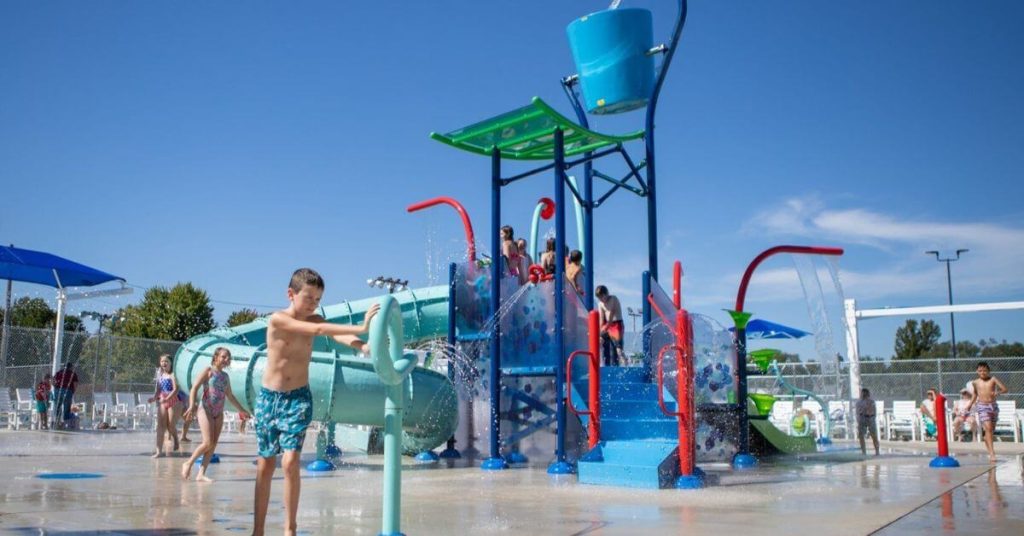
Water parks create several different safety responsibilities at once. Lifeguard surveillance, slide operation, water conditions, walking surfaces, emergency response, and guest behavior can all become relevant after an injury.
There is no single nationwide water park liability code governing every facility. State and local laws, aquatic codes, negligence principles, and facility-specific conditions can all affect responsibility.
How Aquatic Safety Rules Are Developed
The CDC’s Model Aquatic Health Code provides guidance for public aquatic venues, including water parks, and covers matters such as lifeguard training, facility operation, and injury prevention. The CDC expressly notes that the MAHC is guidance rather than federal law and becomes legally binding only when adopted by a jurisdiction. CDC Model Aquatic Health Code
That makes the state or local code an important starting point after an accident.
Lifeguard Duties and Surveillance
Where lifeguards are required, their responsibilities may involve active surveillance, emergency response, rescue capability, and compliance with facility safety procedures.
People researching an incident can encounter online reference collections mixed into ordinary search results. Actual lifeguard staffing plans, training records, video, zone assignments, and local aquatic regulations can provide far more useful evidence.
Distractions Can Matter
The CDC’s aquatic guidance emphasizes dedicated patron surveillance and addresses distractions that can interfere with lifeguarding responsibilities.
Whether a specific lapse creates legal liability still depends on the governing law, causation, and facts surrounding the incident.
Slide and Attraction Safety
Waterslides add operational issues involving dispatch timing, rider spacing, height or weight restrictions, landing areas, water flow, and employee instructions.
A person comparing these issues through digital content sources should separate general online material from actual ride rules and inspection records. Evidence from the specific attraction is usually more useful than broad descriptions of water park safety.
| Issue | Evidence to Preserve | Possible Importance |
|---|---|---|
| Lifeguard coverage | Video and staffing records | May show surveillance conditions |
| Slide operation | Dispatch procedures | May explain rider collisions |
| Walking surface | Photos and incident records | May support premises issues |
| Posted warning | Sign photographs | May affect notice arguments |
Guest Conduct and Posted Safety Rules
Visitors also have responsibilities. Ignoring slide instructions, entering restricted areas, running where prohibited, or failing to follow employee directions can affect the analysis under comparative-fault rules.
Accidents may receive attention from regional information outlets, but media reporting rarely contains every detail needed to determine whether the guest, facility, equipment, or several factors contributed to the injury.
What Water Park Claims Do Not Automatically Prove
A drowning, collision, fall, or slide injury does not by itself establish negligence. The question is whether a legally recognized duty was breached and whether that failure caused the harm.
Likewise, a warning sign does not automatically eliminate facility responsibility. Courts may still examine whether the underlying hazard was reasonably managed and whether additional duties applied.
When an Incident Deserves Prompt Review
Serious water-related injuries can involve evidence that changes quickly. Staffing schedules rotate, water conditions change, surfaces dry, ride operations continue, and video may not be retained indefinitely.
Preserve wristbands, tickets, photographs, witness names, medical records, incident reports, and communications. Identify the attraction, pool, slide, or location as specifically as possible.
Frequently Asked Questions
Does every water park have to provide lifeguards?
Requirements differ by jurisdiction and facility type. Local or state aquatic codes may determine when lifeguards are required and how they must be trained or deployed.
Can a water park be liable for a slip and fall?
Potentially. The analysis can involve whether the surface presented an unreasonable hazard, whether the facility had notice, what precautions were reasonable, and whether the visitor’s conduct contributed.
Does the CDC Model Aquatic Health Code automatically apply everywhere?
No. The CDC describes the MAHC as guidance. It becomes legally binding only when a state, local, territorial, or tribal jurisdiction adopts relevant provisions.
Record What Happened While Details Are Fresh
Water park claims often depend on small details: lifeguard position, slide dispatch timing, warnings, surface conditions, and witness observations. Documenting those facts soon after an accident creates a clearer foundation for determining which rules and legal duties may apply.
This article provides general legal information and is not a substitute for advice from a qualified attorney regarding a specific matter.